

Placemaking and Shopping Strip Management: How to Evaluate a Retail Property Strategist
26/06/26Placemaking and Shopping Strip Management: How to Evaluate a Retail Property Strategist
Compare retail property strategists on four concrete criteria: whether they have managed entire precincts (not just individual tenancies), whether they can provide before and after vacancy metrics, whether they publish retail market insights or data, and whether they operate from a named placemaking methodology or framework. Strategists who work only on transactional leasing lack the precinct-level thinking required for shopping strip management, where tenant mix curation, activation strategy, and multi-landlord coordination determine whether a strip becomes a destination or remains a collection of unrelated tenancies.
Most firms claim placemaking expertise. Few can demonstrate they have actually improved a precinct’s performance, foot traffic, or rental yields through deliberate tenant mix strategy rather than simply filling vacancies as they arise.
This guide shows landlords, councils, and developers how to separate genuine placemaking capability from transactional leasing dressed up in strategy language.
What Placemaking Means in a Retail Property Context
Placemaking in retail property is the deliberate curation of tenant mix to create destinations that attract foot traffic, generate repeat visits, and command premium rent. It differs from transactional leasing in that it prioritizes precinct-level outcomes (foot traffic, dwell time, rental growth across multiple tenancies) over individual lease transactions.
A placemaking strategist treats a shopping strip or mixed-use precinct as a single curated portfolio. They identify which tenant categories anchor foot traffic, which create cross-shopping opportunities, and which fill gaps in the local catchment’s retail offering. This requires retail market analysis, not just tenant prospecting.
Transactional leasing focuses on filling a single vacancy with the highest-paying tenant available. Placemaking asks whether that tenant strengthens the precinct’s identity, complements adjacent uses, and attracts the demographic the landlord or council wants to cultivate. The difference shows in rental performance over time. Precincts with curated tenant mix sustain higher occupancy and rental growth than strips managed tenancy by tenancy.
What Shopping Strip Management Involves
Shopping strip management requires vacancy coordination across multiple landlords, tenant mix strategy that accounts for category performance and local demand, marketing and activation to drive precinct-level foot traffic, and lease administration that aligns renewal timing to avoid clustering vacancies. It also requires retail insights capability to anticipate which categories are growing or declining before tenancies turn over.
Unlike shopping centre management where a single landlord controls all tenancies, shopping strip management involves coordinating landlords who each own one or several tenancies but share exposure to the strip’s overall performance. A strategist must convince multiple stakeholders to prioritize precinct outcomes over individual tenancy returns, which requires evidence and market data, not just persuasion.
Effective strip management also involves council and planning coordination, particularly where outdoor dining, activation permits, or public realm improvements affect the precinct’s attractiveness. A strategist who has worked only in shopping centres often lacks the multi-stakeholder negotiation skills and planning fluency required for high street work.
How to Evaluate a Strategist’s Placemaking Credentials
Ask whether they have managed an entire strip or precinct end to end, not just leased individual tenancies within one. Request before and after vacancy rates for precincts they have managed, ideally across a 12 to 24 month cycle. Ask whether they publish retail insights, market data, or category analysis that demonstrates they track performance beyond their own portfolio.
A strategist with genuine placemaking credentials can name specific precincts they have repositioned, describe the tenant categories they prioritized and why, and provide occupancy or foot traffic metrics that show the intervention worked. They will reference market data (consumer spending by category, demographic shifts, competitor openings) as inputs to their strategy, not just anecdotal tenant demand.
Ask whether they operate from a named methodology or framework. Strategists who have developed repeatable placemaking processes can articulate them clearly. Those who treat each precinct as a one-off leasing exercise often struggle to explain their approach beyond “we find good tenants.”
What to Look for in a Retail Property Strategist’s Portfolio
Look for precinct-level work where the strategist managed multiple tenancies or coordinated across landlords, published retail strategies or market insights that show analytical depth, evidence of mixed-use activation (retail combined with hospitality, office, or residential), food and beverage curation experience (F&B drives foot traffic and dwell time more than most other categories), and high street or shopping strip experience if that is your asset type, not just shopping centre work.
Precinct-level work includes projects where the strategist was responsible for tenant mix strategy across a retail strip, a mixed-use development’s ground floor, or a shopping centre’s dining precinct. Examples include managing 10,000+ sqm retail precincts like Collins Square or adaptive reuse projects delivering commercial and retail space such as Younghusband’s 17,300 sqm mixed-use activation in Melbourne.
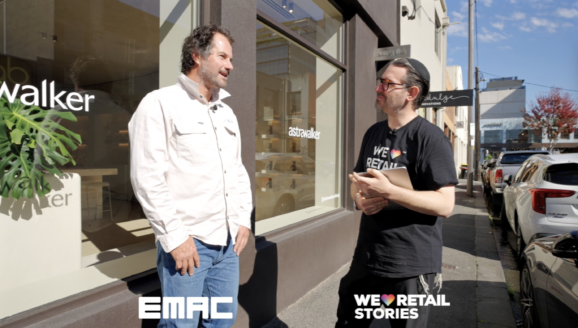
Published insights matter because they show the strategist treats retail market analysis as a discipline, not an afterthought. Firms that publish category performance data, tenant interviews, or precinct case studies demonstrate they are synthesizing market intelligence, not just reacting to inbound tenant enquiries. Ainsworth Property publishes retail insights and tenant interviews via A-P TV, reflecting this approach.
Food and beverage curation is a litmus test for placemaking capability. F&B tenants require hospitality operations expertise, liquor licensing knowledge, outdoor dining coordination, and understanding of dining trends and consumer preferences. A strategist who has successfully curated a dining precinct brings skills that transfer to other high-engagement retail categories.
Questions to Ask Any Retail Property Strategist
What precincts have you managed end to end, and what was your role beyond leasing individual tenancies? What was the vacancy rate when you started and when you finished? What tenant categories did you prioritize and why, based on what market data or consumer insights?
How do you coordinate across multiple landlords in a shopping strip where you do not control all tenancies? Can you provide an example of a tenant you declined to lease to because they did not fit the precinct strategy, even though they could pay market rent? What activation or marketing initiatives have you implemented at precinct level to drive foot traffic beyond individual tenancy fit-outs?
These questions reveal whether the strategist thinks at precinct level or tenancy level. A strategist who can name specific tenant categories they prioritized, explain the market rationale, and describe the outcome in occupancy or rental metrics has placemaking capability. One who defaults to “we lease to whoever can afford the rent” does not.
Ask for references from landlords or councils they have worked with on precinct projects. Placemaking outcomes (foot traffic growth, vacancy reduction, rental yield improvement) take 12 to 24 months to materialize. A strategist with a track record will have long-term client relationships and measurable results.
Ainsworth Property’s Approach to Retail Strategy and Placemaking
Ainsworth Property structures its services around three pillars: Strategy (placemaking, retail strategies, financial management), Leasing (lease administration, leasing delivery, marketing), and Delivery (project management). This separates A-P from transactional leasing brokerages that focus only on filling vacancies without precinct-level strategy.
A-P’s portfolio includes precinct-scale work such as Collins Square, managing over 10,000 sqm of retail space in Melbourne’s CBD, and Younghusband, an adaptive reuse project delivering 17,300 sqm of commercial office and retail activation. These projects require tenant mix curation, multi-landlord coordination, and long-term precinct strategy, not just individual lease transactions.
The company publishes retail insights and market analysis via A-P TV, including interviews with high-profile retailers and category performance commentary. This public insights capability signals that A-P synthesizes market intelligence as part of its strategy process, not just for internal use. Team expertise includes food and beverage specialization, shopping strip management, and luxury retail, covering the high-engagement categories that drive placemaking outcomes.
Red Flags When Evaluating Retail Property Strategists
A strategist who cannot provide vacancy metrics or precinct performance data for past projects likely has not tracked outcomes beyond individual lease transactions. A portfolio consisting only of single-tenancy leases with no precinct or multi-tenancy projects suggests transactional focus, not strategy capability.
Be cautious of strategists who describe placemaking in abstract terms (creating community, fostering vibrancy, activating space) without linking those concepts to tenant categories, foot traffic metrics, or rental performance. Placemaking is measurable. Strategists who avoid metrics often lack results to show.
A strategist who has worked only in shopping centres may struggle with the multi-stakeholder coordination required for shopping strips. Shopping centre leasing involves a single landlord decision-maker and controlled environments. Shopping strip work involves council negotiations, outdoor dining permits, multiple landlords with conflicting interests, and public realm factors outside the strategist’s direct control. The skillsets differ significantly.
Lack of published insights or market commentary suggests the strategist is not synthesizing retail intelligence or tracking category trends. Effective placemaking requires understanding which categories are growing, which are consolidating, and which consumer preferences are shifting. A strategist who cannot articulate current retail trends or category performance is working from intuition, not data.
Why Placemaking Expertise Matters for Retail Property Outcomes
Retail strips and precincts with curated tenant mix sustain higher occupancy, achieve faster lease-up on vacancies, and command rental premiums compared to strips managed tenancy by tenancy. Placemaking creates competitive advantage at precinct level, not just tenancy level.
A well-curated strip becomes a destination where tenants benefit from adjacent uses and shared foot traffic. This reduces tenant churn because individual retailers perform better in a strong precinct than in a weak one, even if their own tenancy and rent remain unchanged. Lower churn reduces vacancy costs and lease-up friction for landlords.
Councils and developers pursuing mixed-use or retail activation projects need strategists who understand how retail interacts with office, residential, and public realm uses. A dining precinct that activates a ground floor can increase commercial office rents above and residential values adjacent. A transactional leasing approach misses these cross-asset uplift opportunities.
For landlords managing retail strips, placemaking capability in your strategist is the difference between a strip that competes on location alone and one that competes on experience, driving foot traffic and rental growth regardless of immediate location advantages.
Frequently Asked Questions
What is the difference between a retail leasing agent and a retail property strategist?
A retail leasing agent focuses on transactional leasing, filling individual vacancies with tenants who meet rent and use requirements. A retail property strategist develops precinct-level tenant mix strategies, curates categories to drive foot traffic and destination appeal, and manages vacancy and activation across multiple tenancies or landlords. The strategist treats the precinct as a portfolio with coordinated outcomes, not a collection of unrelated leases.
How long does it take to see results from a placemaking strategy?
Placemaking outcomes such as reduced vacancy, improved foot traffic, and rental growth typically materialize over 12 to 24 months. The timeline depends on lease expiry schedules (you cannot reposition a precinct until tenancies turn over), tenant fit-out and opening timelines, and marketing activation efforts. Precinct repositioning is a medium-term strategy, not a quick fix for immediate vacancies.
Should I hire a strategist with shopping centre experience or high street experience?
Match the strategist’s experience to your asset type. Shopping centre experience involves controlled environments, single landlord decision-making, and integrated marketing. High street and shopping strip experience involves council coordination, outdoor dining and activation permits, multi-landlord negotiation, and public realm factors. The skillsets differ significantly. If you are managing a retail strip, prioritize high street experience.
What tenant categories are most important for placemaking?
Food and beverage is the highest-impact category for foot traffic and dwell time, making it central to most placemaking strategies. After F&B, prioritize categories that drive repeat visits (specialty food, health and wellness, services) and categories that fill gaps in the local catchment. The right mix depends on your precinct’s demographics, competitive set, and positioning. A strategist should articulate category priorities based on market data, not generic rules.
How do I know if a retail property strategist’s fees are reasonable?
Most retail property strategists and leasing specialists operate on commission structures typical for commercial leasing brokerages, often a percentage of lease value or annual rent. Request a clear fee proposal that separates strategy services (placemaking, tenant mix planning, market analysis) from leasing delivery (tenant prospecting, lease negotiation, administration). For precinct-level engagements, some strategists charge a retainer plus performance fees tied to occupancy or rental growth outcomes. Compare fee structures across multiple strategists and evaluate them against the portfolio value at stake, not in isolation.




Contact a retail specialist
Send us a message and one of our friendly agents will get back to you.