

Specialist Retail Leasing Firm vs General Commercial Agent — A Melbourne Landlord’s Guide
27/07/26Specialist Retail Leasing Firm vs General Commercial Agent — A Melbourne Landlord’s Guide
As of July 2026, Melbourne CBD retail vacancy sits at 6.5%[1], the second-lowest nationally, and landlords with retail portfolios are deciding whether to hire a specialist retail leasing firm or use a general commercial agent. General commercial agents work across office, industrial, and retail asset classes, which means retail is one service line among many, not their entire focus. Specialist retail leasing firms work exclusively on retail tenancies in CBDs, high streets, and shopping precincts, bringing networks of F&B operators, luxury brands, and national retailers that general agents rarely access. If your portfolio includes CBD or high-street tenancies, food & beverage operators, or requires precinct repositioning, a specialist delivers materially better tenant outcomes.
This guide walks you through the four portfolio signals that should push you toward a specialist, what generalists do well, and the questions to ask before you hire any agent.
What Specialist Retail Leasing Firms Actually Do Differently
Specialist retail leasing firms maintain active tenant networks that general commercial agents do not. They know which international brands are entering the Melbourne market, which F&B groups are expanding, and which operators are frustrated with their current landlords and open to a move. When a tenancy becomes available, specialists bring pre-vetted operators to the table within days, not weeks of cold-calling through databases.
Specialists also understand precinct dynamics that generalists miss. Retail performs or fails at the precinct level, not the individual tenancy level. A specialist advises on tenant mix strategy, which categories belong next to each other, and how to structure lease terms that protect landlords when an anchor tenant leaves or foot traffic shifts. General commercial agents treat each tenancy as an isolated transaction.
For food & beverage leasing, specialists assess operator risk through operational experience, not just financials. They evaluate whether an operator has the kitchen systems, staff retention, and supply chain management to survive year two when most F&B concepts fail. General agents review balance sheets but lack the hospitality operations background to separate viable operators from those who will default in 18 months.
Lease structuring for retail-specific risks is another differentiator. Specialists negotiate turnover rent clauses, co-tenancy provisions, and fit-out contribution arrangements that reflect retail realities. General commercial agents often apply office lease templates to retail deals, creating misaligned incentives and dispute triggers that surface 12 months into the term.
What General Commercial Agents Do Well (And Where They Fall Short on Retail)
General commercial agents excel at leasing stable, single-use office and industrial assets where tenant requirements are standardized and lease structures are predictable. If you own a warehouse leased to a logistics operator on a 10-year term with minimal churn, a general agent is sufficient. They understand commercial lease documentation, covenant strength analysis, and market rent benchmarking across asset classes.
They also work efficiently on portfolio deals that span multiple property types. If you own a mixed portfolio with office, industrial, and a small retail component, consolidating with one general agent simplifies reporting and relationship management.
Where general agents fall short is tenant network depth in retail-specific categories. They do not have direct relationships with emerging F&B groups, luxury brand regional managers, or national retail tenant representatives. When a retail tenancy becomes available, general agents rely on database searches and cold outreach, which extends vacancy periods and attracts weaker operators.
General agents also lack precinct-level strategic thinking. They optimize for rental rate per square metre on individual deals but do not consider how one tenancy decision affects foot traffic patterns, dwell time, or the performance of adjacent tenants. In retail, a poorly placed tenant undermines the entire strip or level.
Four Portfolio Signals: When to Go Specialist
Your Tenancies Are in CBD, High-Street, or Mixed-Use Precincts
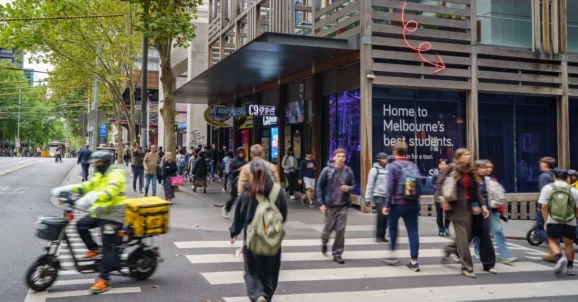
Melbourne CBD retail vacancies fell to 4.6% in 2026, down from 6.1% a year earlier[2], and tenant demand in these locations is driven by brand visibility, pedestrian traffic, and proximity to complementary retail categories. Specialist retail leasing firms operate exclusively in these precincts and understand which locations command premium rents, which corners generate foot traffic, and which blocks are experiencing tenant mix shifts.
General commercial agents treat CBD retail as a subset of their broader portfolio and lack the granular precinct knowledge specialists develop by working the same blocks daily. If your portfolio includes Collins Street, Flinders Lane, or high-street strips in South Yarra, Richmond, or Fitzroy, a specialist delivers tenant quality and rent outcomes that generalists cannot match.
You Have or Want Food & Beverage or Hospitality Tenants
Food & beverage tenancies carry operational risks that office and industrial leases do not. Operators require grease trap access, exhaust system compliance, liquor licensing pathways, and fit-out budgets that often exceed $1,500 per square metre. Specialist retail leasing firms with hospitality operations backgrounds assess whether an operator has secured the right kitchen equipment suppliers, staffing pipelines, and waste management systems before lease execution.
General commercial agents review financial statements and personal guarantees but miss the operational red flags that predict F&B failure. An operator with strong financials but no experience managing kitchen labour turnover or food cost volatility will default when trading conditions tighten. Specialists catch these gaps during due diligence because they have worked both sides of F&B deals and understand what separates sustainable operators from those undercapitalised for the reality of hospitality trading.
If you want to add F&B to your tenant mix or currently manage cafés, restaurants, or bars, hire a specialist. The cost of one F&B tenant default (fit-out disputes, liquor license complications, lease break litigation) exceeds the commission differential between a specialist and a generalist.
You’re Repositioning, Remixing, or Filling Vacancy in a Tightly Held Precinct
Precinct repositioning requires a tenant mix strategy, not transactional leasing. Specialist retail leasing firms approach vacant tenancies by asking what the precinct needs to drive foot traffic, extend dwell time, and increase sales per square metre across all tenancies. They identify anchor categories that attract complementary tenants and structure lease incentives that align landlord and tenant performance.
General commercial agents fill vacancies one at a time, optimising for the highest rent achievable on each deal without considering precinct-level impact. This creates tenant mix incoherence, where high-rent tenants underperform because the surrounding mix does not support their category, and the entire precinct suffers declining foot traffic.
If you are remixing a strip, repositioning a heritage building, or managing a mixed-use precinct with multiple retail levels, a specialist delivers the strategic framework and tenant network depth required to execute successfully.
You’re Negotiating with National or International Brands Who Use Sophisticated Tenant Reps
National and international retail brands deploy tenant representatives who negotiate full-time on lease terms, incentives, and fit-out contributions. These tenant reps expect landlord agents who understand brand rollout strategies, co-tenancy requirements, and turnover rent benchmarks across comparable precincts.
Specialist retail leasing firms negotiate with these tenant reps daily and know which lease terms are non-negotiable, which are positioning tactics, and where mutually beneficial trade-offs exist. General commercial agents encounter sophisticated tenant reps infrequently and concede terms that specialists would have structured differently, costing landlords rental income or flexibility on future deals.
If your portfolio attracts interest from national fashion brands, international F&B groups, or franchise systems expanding into Melbourne, hire a specialist who matches the tenant rep’s level of retail lease sophistication.
When a General Commercial Agent Is Sufficient
Single-asset landlords with stable, low-churn tenancies do not require retail leasing specialisation. If you own one suburban retail tenancy leased to a medical practice, accountant, or professional services firm on a five-year term with minimal fit-out requirements and no precinct considerations, a general commercial agent handles the lease administration competently.
Similarly, if your retail tenancies are in suburban shopping centres managed by a centre manager who controls tenant mix and leasing strategy, the incremental value from a specialist diminishes. Centre management teams already provide the precinct-level thinking and tenant network access that specialists offer, and your role as landlord is primarily lease documentation and covenant assessment, which general agents manage adequately.
Landlords with simple, single-tenant retail assets and no repositioning ambitions save commission costs by using a general commercial agent without sacrificing material outcomes.
What to Ask Any Agent Before You Hire Them
Before appointing a leasing agent, ask these questions to separate specialists from generalists positioning themselves as retail-focused:
Can you name three F&B operators or retail brands you placed in Melbourne CBD in the past six months, and what were the lease terms? This tests current tenant network access and recent deal flow. Agents with genuine retail networks answer this immediately with specific operator names, locations, and lease structures. Those without pause or generalise.
What tenant mix strategy would you recommend for my portfolio, and why? Specialists answer with precinct-level analysis, foot traffic patterns, and complementary category positioning. General agents talk about maximising rent per square metre on individual tenancies without precinct context.
How do you assess F&B operator risk beyond financials? Specialists discuss kitchen operations experience, labour management, supply chain relationships, and trading history. General agents focus exclusively on balance sheets and personal guarantees.
Which national or international brands are entering Melbourne in the next 12 months that would suit my portfolio? Specialists know the pipeline because tenant reps brief them on expansion plans months before public announcements. General agents do not have this visibility.
Why Landlords Choose Ainsworth Property for Melbourne CBD Retail Leasing
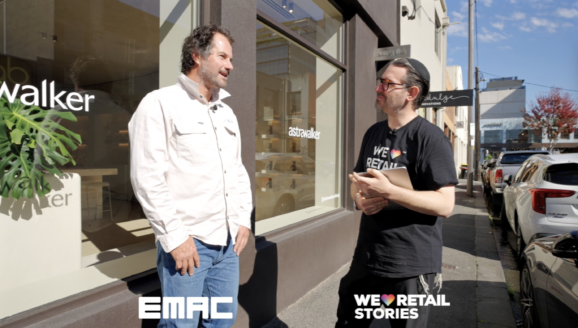
Ainsworth Property was founded in 2020 as a Melbourne CBD retail leasing specialist, headquartered at 459 Collins Street. Founder and Director Zelman Ainsworth brings 11+ years specialising in Melbourne CBD retail leasing, with active portfolios across Collins Street, Flinders Lane, Collins Square, and the Younghusband precinct (17,300 sqm commercial office and retail). The team includes Josh Luftig with 15+ years hospitality and operations experience, bringing the F&B operator perspective that most leasing firms lack.
Ainsworth Property works both sides of the table, representing landlords on leasing delivery and tenant mix strategy while maintaining direct relationships with national retailers, luxury brands, and F&B groups expanding into Melbourne. This dual perspective informs lease structuring that protects landlord interests while attracting quality operators who perform long-term.
For Melbourne landlords with retail portfolios in CBD, high-street, or mixed-use precincts, Ainsworth Property delivers the tenant networks, precinct knowledge, and lease structuring expertise required to maximise rental income and minimise vacancy risk.
Frequently Asked Questions
What is the typical commission structure for specialist retail leasing firms vs general commercial agents in Melbourne?
Both specialist retail leasing firms and general commercial agents in Melbourne typically charge commission as a percentage of the total lease value or a fixed fee per transaction, with rates generally ranging between one and three months’ rent depending on deal complexity and lease term. The commission differential between specialists and generalists is minimal, the value difference lies in tenant quality, vacancy duration, and lease terms negotiated, not the fee charged.
How long does it typically take a specialist vs a general agent to fill a vacant CBD retail tenancy?
Specialist retail leasing firms with active tenant networks typically present qualified operators within one to two weeks of listing a CBD retail tenancy, while general commercial agents relying on database searches and cold outreach often require four to eight weeks to generate equivalent tenant interest. The vacancy cost differential over a three-month period in a CBD location with AUD $1,200 per sqm annual rent material exceeds any commission difference between agent types.
Do specialist retail leasing firms only work with large landlords or portfolios?
Specialist retail leasing firms work with landlords of all portfolio sizes, from single-asset owners with one premium CBD tenancy to institutional portfolios with 50+ retail assets. The determining factor is not portfolio size but asset type and landlord objectives, specialists add value when tenancies are in CBD or high-street locations, include F&B operators, require precinct repositioning, or involve negotiations with sophisticated national brands, regardless of whether the landlord owns one tenancy or twenty.
Can I use a general commercial agent for office leasing and a specialist for retail within the same building?
Landlords frequently appoint different agents for different asset classes within the same building, using a general commercial agent for office tenancies and a specialist retail leasing firm for ground-floor and street-facing retail. This approach captures the network depth and lease structuring expertise each agent type delivers in their specialisation without forcing one agent to cover asset classes outside their core competency.
Related Resources
- F&B Leasing in Melbourne CBD: What Restaurant and Café Operators Need to Know
- Placemaking and Shopping Strip Management: How to Evaluate a Retail Property Strategist
- 206 Bourke Street Melbourne: What F&B Operators Need to Know Before Signing a Lease
Sources




Contact a retail specialist
Send us a message and one of our friendly agents will get back to you.